Shocking Secret About The Shooting, Steffy Was The One Who Sʜᴏᴛ Luna & Sheila B&B Spoilers
The latest bombshell to shake the already fragile foundations of Los Angeles’s most scandal-ridden families erupted not in a boardroom or boutique, but in a sterile hospital corridor—where Luna Nozawa’s fate seemed sealed.
Moments after her pulse flatlined and the monitors went still, Luna stunned doctors and onlookers alike by whispering haunting last words. Recorded inadvertently by a nearby mic, her voice, frail but unmistakably urgent, revealed a truth no one expected: “There’s more to this than you know, Steffy. Trust me—I didn’t fire that first shot.”
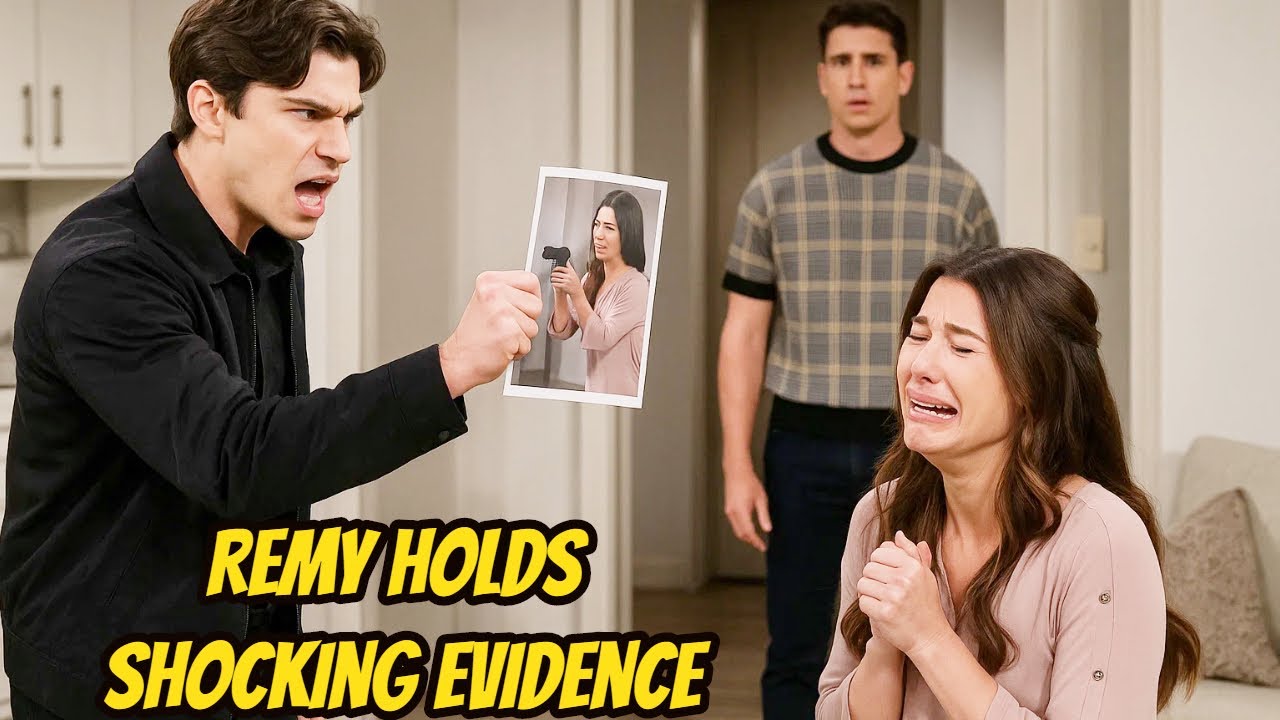
That revelation, leaked within hours to tabloids and soap blogs, transformed what had been assumed to be a tragic final act of violence into a whirlwind of confusion and conspiracy.
Luna’s vendetta against Steffy Forrester had been well documented. But Detective Baker’s forensics team soon confirmed something chilling—two different calibers of bullets were recovered at the scene. Someone else had fired a weapon that day. But who?




As speculation spiraled, Steffy herself became the focus of intense scrutiny. Her claim of fragmented memory and emotional trauma clashed with mounting evidence.
Hauled into an LAPD interrogation room, she trembled under questioning, unable to provide a clear sequence of events.
Her designer world had collapsed into a nightmare of jumpsuits and security details. And all the while, Luna hovered between life and death, while Sheila Carter remained in a coma—her final act of heroism rescuing Steffy, yet possibly costing her everything.
Meanwhile, pressure mounted on District Attorney Andrea Vaughn to act. Investigators scoured every inch of the shooting site, but the mystery of the second shooter remained.
Was it Ridge? Liam? Someone else from Forrester Creations protecting Steffy? No evidence tied a suspect to the unaccounted weapon. But public outrage grew.
Steffy’s legal team pushed back, claiming extreme emotional disturbance and invoking California’s self-defense clause.
Her mental state, they argued, was compromised by the relentless violence she had endured. If she fired, it was in defense of her family, not out of aggression.
And then, in a rain-soaked chapel beside Luna’s makeshift memorial, Steffy found her voice. In a moment broadcast across the nation, she admitted the truth: “I did fire the shot. I was afraid for my life, for my children. I never meant for anyone to die.”
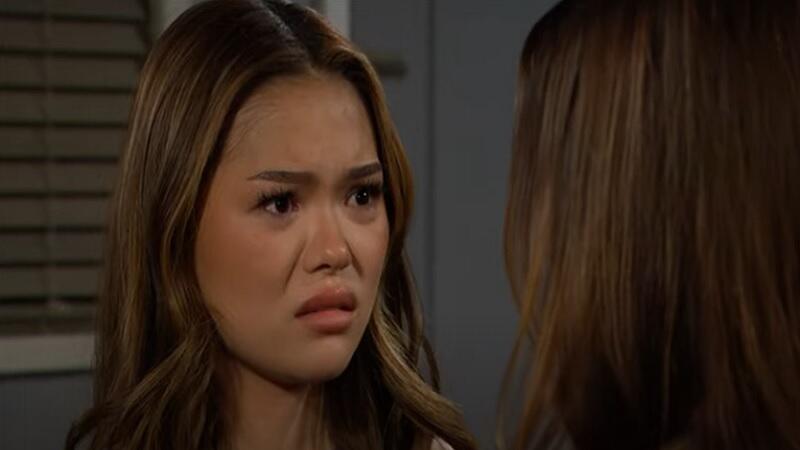
Her confession, raw and vulnerable, swayed the grand jury. No indictment was filed. Instead, Steffy agreed to psychiatric evaluations and restorative justice with Poppy Nozawa, Luna’s grieving mother.
Poppy’s forgiveness was measured, not complete—but it marked the beginning of healing.
Sheila eventually awakened, Finn reentered surgery under strict conditions, and Steffy retreated to her atelier, dedicating her work to the memory of Luna and Sheila. The mystery of the dual bullets had found closure—not in forensics, but in sorrowful confession and shared grief.
And as the drama settled into Los Angeles’s eternal rhythm of secrets, ambition, and redemption, one truth endured: when fear fuels violence, only compassion can begin to mend what’s broken.”