Electra’s BOMBSHELL Discovery: Dylan’s DARK Revenge for Luna! The Bold and the Beautiful Spoilers
The Bold and the Beautiful: Love, Loyalty, and the Dangerous Cost of Believing the Wrong Person
In the wake of Luna’s tragic death, peace arrives not as joy, but as fragile relief. For Will and Electra, survival itself feels like a victory.
They cling to routine, to each other, convincing themselves that the darkness has passed. Laughter returns in small doses. Life moves forward. But in a world built on secrets, calm is never permanent — it only waits for the truth to resurface.
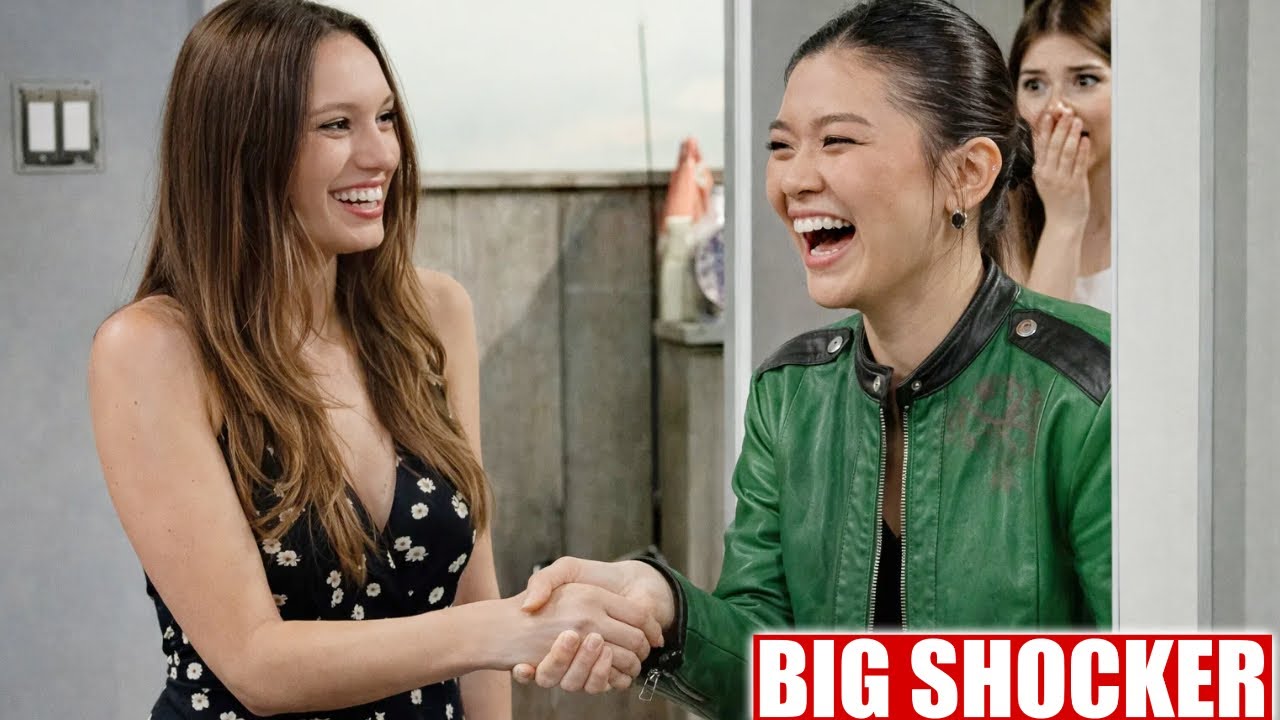
That truth begins to stir in the form of Dylan.




At first, Dylan’s presence feels harmless. To Electra, she represents continuity rather than threat — someone shaped by fear and circumstance, not cruelty.
Electra firmly believes Dylan’s role in Luna’s fatal accident was an act of survival, not intent. Doubting Dylan would mean reopening wounds Electra is desperate to close, so she defends her with conviction, certain she is standing on the moral high ground.
Will, however, experiences Dylan differently.
What begins as concern quietly transforms into something far more unsettling. He is drawn to Dylan’s vulnerability, her outsider status, her raw contrast to the world he knows.
Without realizing it, his protectiveness deepens. His attention lingers. Compassion turns into emotional investment — and then into choice. Will isn’t just defending Dylan. He is prioritizing her.
Electra feels the shift before she understands it. Not jealousy, but unease. Will’s fierce loyalty feels disproportionate, instinctive, and increasingly personal.
She tells herself trauma blurs boundaries, that compassion can look like attachment — yet the discomfort refuses to fade. What disturbs her most is not Will’s concern, but what it reveals about his instincts.
Then the cracks begin to show.
Small inconsistencies surface. Gaps in Dylan’s story. Details that don’t align. Luna’s death begins to feel less like an isolated tragedy and more like the end of something long in motion. The possibility that Electra may have been wrong — dangerously wrong — shakes her sense of identity. If she misjudged Dylan, then her loyalty may have enabled something unforgivable.
Will responds not with reflection, but resistance.
Each question Electra raises is met with sharper defense. His loyalty to Dylan hardens into defiance, rooted not in evidence, but identity.

To doubt Dylan would mean admitting his instincts failed — that his emotional investment blinded him. The divide between Will and Electra deepens, not from lack of love, but from incompatible truths.
The fracture widens when new evidence emerges — undeniable, specific, and devastating. Luna’s final days are recontextualized, revealing manipulation, escalation, and intent. The narrative of self-defense collapses. For Electra, the truth is painful but clarifying. For Will, it is destabilizing.
As Electra steps toward accountability, Will becomes an obstacle. Protecting Dylan now isolates him, leaving him emotionally tethered to the very person under scrutiny. When Dylan’s composure finally slips, revealing volatility beneath the performance, Will is forced into a reckoning that brings not relief — but shame.
The final rupture between Will and Electra is quiet, devastating, and irreversible. Electra chooses truth, even at the cost of love. Will is left alone with the consequences of denial.
In The Bold and the Beautiful, the greatest tragedy is not betrayal — it is loyalty that outlives truth. And when the truth finally arrives, it may come too late to save what was once cherished.